The Pulse of Plumbing
Plumbing Lines is a plumbing publication built to connect the dots between small warning signs and big consequences—so homeowners, property managers, and business owners can make smarter decisions before problems become disasters.
Plumbing is the hidden infrastructure of everyday life. It is rarely celebrated, rarely noticed, and almost never fully understood—until something goes wrong. When a pipe leaks behind a wall, when a drain backs up at the worst possible moment, when a water heater fails overnight, or when a sewer line collapses under a yard that looked perfectly normal the day before, the true role of plumbing becomes painfully clear: plumbing is not a “house feature.” It is a life-support system for the building.
Plumbing Lines exists for one central reason: people deserve a trustworthy, detailed, and easy-to-understand resource that explains plumbing issues with accuracy, depth, and practicality—without hype, without shortcuts, and without misinformation.
This blog was created to help readers understand what plumbing problems mean, why they happen, and what competent solutions look like. It is designed to protect property, reduce risk, prevent avoidable emergencies, and restore respect for the skilled professionals who keep modern life working.
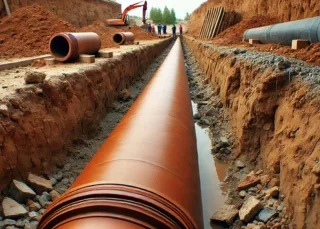
Sewer Line Repair Athens GA | Plumber Pro (706) 769-7761
Athens homeowners face unique sewer line problems due to red clay soil and aging infrastructure. Learn warning signs, prevention tips, and about Plumber Pro. ...more
Sewer Line Repair ,Athens, Georgia
February 12, 2026•18 min read
Water Conservation Plumbing Monterey CA | Eco-Friendly Upgrades
Save water & money with eco-friendly plumbing upgrades in Monterey. Tankless water heaters, low-flow fixtures & more. Roto-Rooter Monterey. Call now! ...more
Monterey, California ,Water Conservation
February 12, 2026•11 min read

Salt Air Pipe Corrosion in Monterey CA | Roto-Rooter Monterey
Protect your Monterey home from coastal salt air corrosion. Expert plumbing solutions from Roto-Rooter Monterey. 24/7 emergency service. Call today! ...more
Monterey, California
February 10, 2026•9 min read
Plumbing Lines Exists Because “Small Problems” Rarely Stay Small
In plumbing, the line between “minor inconvenience” and “major disaster” can be thin—and often invisible.
A slow drain can be the first warning sign of a developing blockage deep in the system. A faint water stain on drywall can be the beginning of structural damage and mold growth. A slight drop in water pressure can signal corrosion, mineral buildup, or a leak that is quietly wasting water and weakening materials. A toilet that gurgles can point to venting issues or sewer line complications. The symptoms are often subtle—but the consequences are not.
Plumbing Lines exists to explain those early signs and to connect cause to consequence in a way that helps people act in time.
Plumbing Lines Exists Because Plumbing Is a Health-and-Safety System
Plumbing is not just about comfort. It is part of a building’s sanitation, hygiene, and safety. Clean water must be delivered under pressure. Wastewater must be removed reliably. Drain systems must vent properly. Backflow must be prevented. Water heating must be controlled and safely vented. Gas piping (when present) must be airtight, code-compliant, and installed with precision.
When any of these systems fail—or are modified incorrectly—risk rises fast:
Contaminated water from backflow or cross-connections
Sewer gas intrusion from trap or vent failures
Mold, rot, and structural weakening from hidden leaks
Pressure-related hazards from faulty water heater components
Property destruction from burst pipes and uncontrolled releases
Plumbing Lines exists to treat plumbing as the serious, code-driven discipline it is. Not as an afterthought. Not as a “maybe it’ll hold.” Not as a DIY experiment.
Plumbing Lines Exists Because the Internet Is Full of Bad Advice
There is no shortage of “life hacks,” viral plumbing tricks, and quick fixes that look good on camera but fail in real life.
Plumbing is unforgiving because it operates under real forces: pressure, heat, chemical exposure, vibration, corrosion, and constant daily use. A fix that looks fine today may fail tomorrow under normal demand. And the internet rarely shows the aftermath of those failures—the water damage, the restoration bills, the mold remediation, the insurance disputes, the ruined flooring, the warped framing, the lost inventory, or the business downtime.
Plumbing Lines exists to be a filter, not a megaphone.
It separates what is technically sound from what is popular. It explains best practices, identifies common myths, and teaches readers how to spot advice that is incomplete, risky, or simply wrong.
Plumbing Lines Exists to Help People Hire the Right Professionals
One of the most common problems in the plumbing world isn’t just the leak, clog, or failing water heater—it’s the confusion people feel when trying to choose who to call.
Many homeowners and property managers are forced to make decisions quickly, especially during emergencies. Under stress, it’s easy to choose the lowest price, the fastest promise, or the most confident voice on the phone. Unfortunately, in plumbing, cheap and rushed can become expensive and slow.
Plumbing Lines exists to make readers better decision-makers, by explaining:
What licensing and insurance really protect you from
Why permitting and code compliance matter
What a real diagnostic approach looks like
How good plumbers communicate, price, and document work
What red flags suggest shortcuts or lack of competence
The goal is not to make people suspicious—it is to make them informed.
Plumbing Lines Exists Because Modern Buildings Are a Mix of Old and New
Across the country, properties are aging into higher-risk plumbing years. Meanwhile, modern upgrades are becoming more complex. This creates a perfect storm:
older pipes, older fittings, older sewer lines, and outdated materials
newer fixtures, high-efficiency appliances, higher demand, and tighter tolerances
renovations that mix incompatible materials or hide previous workmanship
changing codes and evolving standards for safety and efficiency
A home can have a brand-new kitchen with an old drain stack. A commercial building can have updated restrooms connected to aging sewer infrastructure. A water heater can be upgraded without correcting venting issues. A basement can be remodeled without addressing sump or backwater protection.
Plumbing Lines exists to help readers understand how systems interact, how upgrades can create unexpected stress points, and how to plan improvements the right way.
Plumbing Lines Exists to Promote Prevention Over Panic
Emergency plumbing is real—but the truth is that many emergencies have warning signs long before the event. Preventative maintenance is not glamorous, but it is powerful. It saves money. It reduces damage. It extends the life of plumbing infrastructure. It lowers the chance of sudden failures at the worst time.
Plumbing Lines exists to teach proactive thinking, including:
How often drains and sewer lines should be evaluated
Why water pressure should be monitored
When to service or replace a water heater before failure
How to recognize early signs of corrosion, scale, and pipe fatigue
What seasonal risks (freezes, heavy rains, root growth) do to systems
It is not about fear. It is about control.
Plumbing Lines Exists to Make the Complex Understandable
Plumbing involves physics and practical reality—flow, pressure, venting, slope, expansion, contraction, materials, and chemistry. To many people, it feels mysterious. That mystery is exactly what creates vulnerability: people don’t know what’s normal, what’s risky, and what’s urgent.
Plumbing Lines exists to remove that mystery with clarity.
You can expect content that:
Explains the why behind common plumbing issues
Uses clear examples instead of vague generalities
Shows what “right” looks like, not just what’s wrong
Breaks down options, tradeoffs, and long-term consequences
Respects the reader’s intelligence without burying them in jargon
The “Lines” in Plumbing Lines: The Meaning Behind the Name
The name Plumbing Lines reflects the reality that plumbing is made of “lines”—and so are the decisions, risks, and outcomes tied to it.
Water lines: delivering clean water under pressure
Drain lines: moving wastewater safely away
Gas lines (where present): requiring precision and safety
Sewer lines: protecting sanitation and preventing contamination
Supply lines and fixture lines: where small failures create big damage
The line between a repair and a band-aid
The line between a fair quote and a future nightmare
The line between “it can wait” and “you should act now”
Plumbing Lines exists to help readers see those lines clearly—so they don’t cross into costly territory unintentionally.
What Readers Should Expect From Plumbing Lines
Plumbing Lines is built to be a high-trust resource. Readers should expect:
1) Detailed, Practical Education
Deep explanations that respect both the trade and the reader.
2) Real-World Advice With Long-Term Thinking
Not just how to stop a symptom—how to solve the cause.
3) Strong Emphasis on Safety and Professional Standards
Licensing, code compliance, proper materials, and correct methods.
4) Guidance That Helps People Protect Their Property
Because plumbing mistakes are expensive—and often preventable.
5) A Clear Mission: Reduce Emergencies Through Knowledge
Smarter maintenance, better decisions, fewer disasters.
The Core Reason for Plumbing Lines
Plumbing Lines exists because plumbing is too important to leave to guesswork, shortcuts, or internet myths.
It is a blog designed to protect buildings, empower readers, and honor the professionals who keep water moving safely through modern life.
Detection
Identifying the plumbing problem
Connection
The vital link between your plumbing problem and an expert

Resolution
Turning complex plumbing problems into clear fixes
Copyright {2026} Plumbing Lines. All Rights Reserved.